
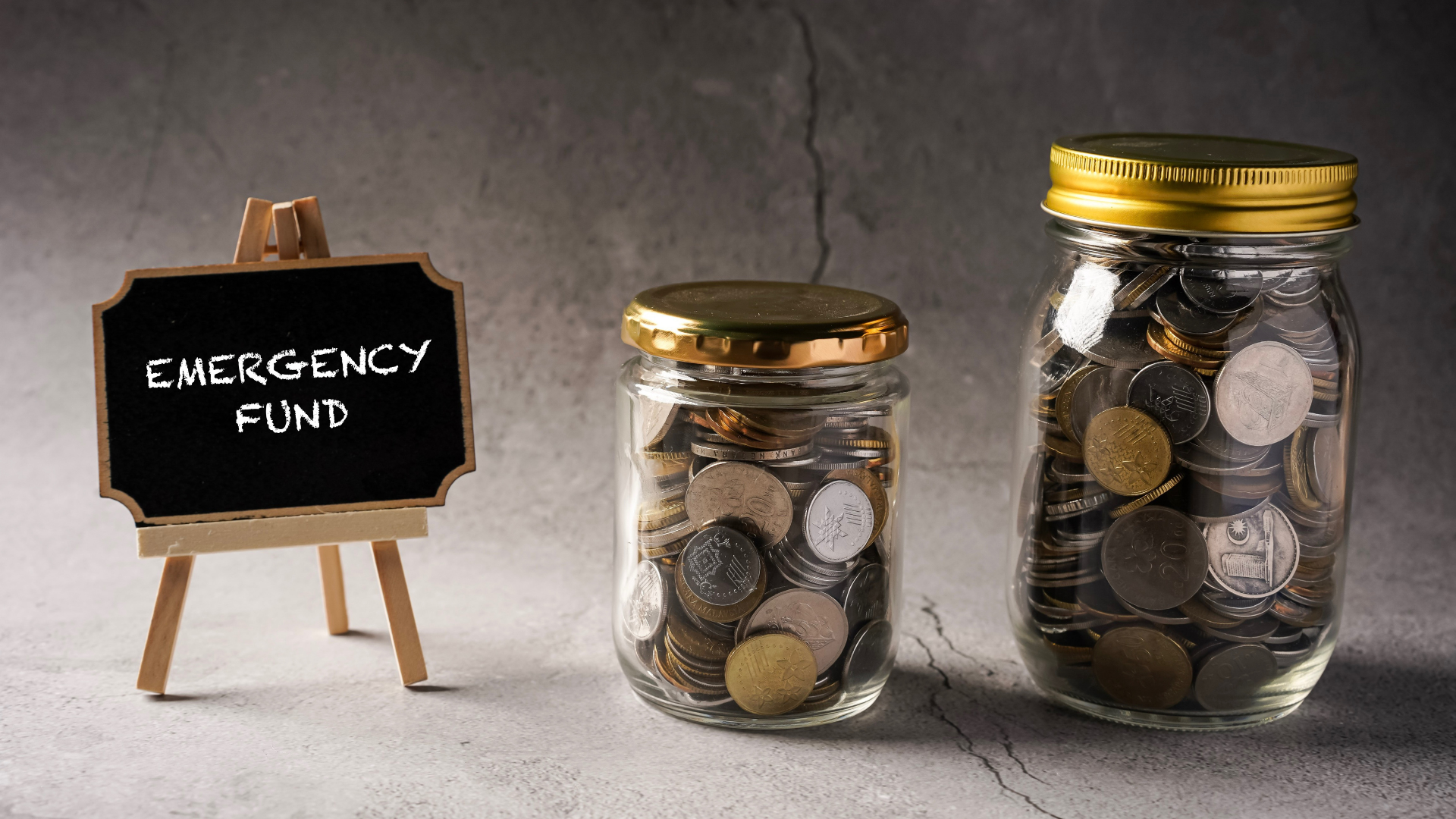
Why Emergency Funds are Essential
Are you tired of living paycheck to paycheck and feeling like one unexpected expense could throw off your entire budget? Have you ever found yourself in a financial emergency without any savings to fall back on? If so, it’s time to start building an emergency fund.
Emergency funds are essential for managing your finances, providing you with the peace of mind that comes from knowing you have a safety net in case of unforeseen events.
In this comprehensive guide, we’ll take a deep dive into why emergency funds are crucial, how much money you need to save, and tips for making saving easier. Get ready to take control of your financial destiny!
What are emergency funds and why are they important?
Emergency funds are essential for a variety of reasons. They can help you cover unexpected expenses. Say, for instance, if your car gets involved in a collision and you have to take it to an auto body shop for repair, having an emergency fund can provide you with the financial safety net needed to cover the repair or replacement costs. Similarly, if there is a rent increase, an emergency fund can help you with the necessary cushion to handle these unanticipated costs without jeopardizing your financial stability.
Most importantly, keeping emergency funds accessible allows you to handle difficult financial circumstances without having to rely on others. If an unexpected expense comes up and you don’t have emergency funds available, you may find yourself struggling to cover the cost. While there is the option of applying for a short term loan in such scenarios, having a set fund only saves you from the processes involved as you can take care of things on your own terms – no one else’s approval is necessary. Moreover, this approach can give you more financial flexibility and ability to address unforeseen financial challenges more promptly.
The different types of emergency funds
There are a variety of reasons why you might need emergency funds. Maybe you’ve missed a payment on your mortgage, or you’re behind in your rent. Whatever the reason, having an emergency fund can help get you through a difficult situation.
Here are four different types of emergency funds:
- Savings account: If you have spare cash lying around, put it into a savings account. This money will be there if you need it for an unexpected expense, like a car repair or dental bill.
- Credit card: If you have a credit card that offers 0% interest until balance is paid off, use this to build up your emergency fund. Just make sure youpay off the entire balance each month so that spending doesn’t become habit-forming and lead to more debt problems down the road.
- Deposits in high-yield accounts: These are accounts that offer higher interest rates than regular savings accounts, but they also come with some added benefits, like no fees for opening an account and access to banking services anywhere in the country. Look for banks with good customer reviews and compare rates before opening an account.
- IRA or 401k: If you’re over 50 years old, put all your eggs into one basket by putting money into an IRA or 401k retirement plan instead of individual stocks and bonds.
How to create an emergency fund
An emergency fund is crucial for financial preparedness, especially if uninsured or underinsured. Without savings set aside, an unexpected crisis could spur debt, bankruptcy, and even home foreclosure.
To determine an adequate emergency fund, research how much to save based on your situation. General advice is 3-6 months of living expenses. However, individual factors like job stability, health, and family size impact the ideal savings target. Thorough research helps customize and reality-check the goal.
Once the emergency fund value is set, use automatic transfers and lifestyle adjustments to methodically build savings over time. For example, divert a portion of each paycheck before spending temptations arise.
If establishing an emergency fund seems daunting, consider consulting vistica wealth advisors financial planning advisors, or similar professionals in your locality. These experts can provide guidance, accountability, and tailored strategies to make saving feel achievable. They may also suggest ways to generate funds that you haven’t considered, like evaluating insurance coverage, rebalancing investments, or reducing fees. With an advisor’s help, the path to financial resilience can feel less intimidating and within reach.
Having said that, there are a few things to keep in mind when creating your emergency fund:
- Make sure the amount you set aside is meaningful. You don’t want to save just a few hundred dollars – save enough to cover at least six months of living expenses.
- Don’t use your emergency fund for everyday expenses. Save it for unexpected costs, such as car repairs or medical bills.
- Review your budget regularly to make sure you’re saving enough money into your emergency fund each month. If necessary, adjust the amount you’re saving until you reach your goal number.
- Keep track of the progress of your emergency fund so that you know when it’s ready for use. You can also use online tools like paycheck averaging or tracking apps to help make this process easier.
How to react to an emergency
If you find yourself in a financial emergency, there are a few key things you should do to get back on your feet as quickly and smoothly as possible. Here are some tips for how to react to an emergency:
- Immediately start communicating with your bank and other creditors about your situation. Let them know the nature of your emergency and that you will need time to pay back any debts you may have. This will help ensure that all of your creditors are aware of your situation, and they can work with you more easily in order to get payments processed as quickly as possible.
- Keep all of your important financial documents in one place – including bank statements, credit card statements, tax returns, etc. Having these documents all in one place will make it easier for you to track down information if it’s needed during the repayment process or when filing a claim against any debts.
- Act swiftly to secure financial assistance. Consider exploring options like obtaining Secured Loans on Luxury Assets that you own or seeking help from trusted family and friends. Having a support network nearby can be invaluable during challenging times, whether they provide financial aid or lend a listening ear while you strategize your next steps.
- Consider applying for government assistance programs if you qualify – this could include programs like food stamps, unemployment benefits, or housing assistance. These programs can be very helpful during difficult times, and they’re usually easy to apply for and receive funding within a relatively short period of time.
If you haven’t already started saving for an emergency, now is the time to start. In today’s economy, anything can happen, and having an emergency fund will put you in a much better position should something unfortunate happen.
There are lots of different ways to save for emergencies and this guide has outlined some of the most important tips for managing your finances in case of an unexpected expense. Make sure to take these steps so that you have the funds you need when the time comes!