
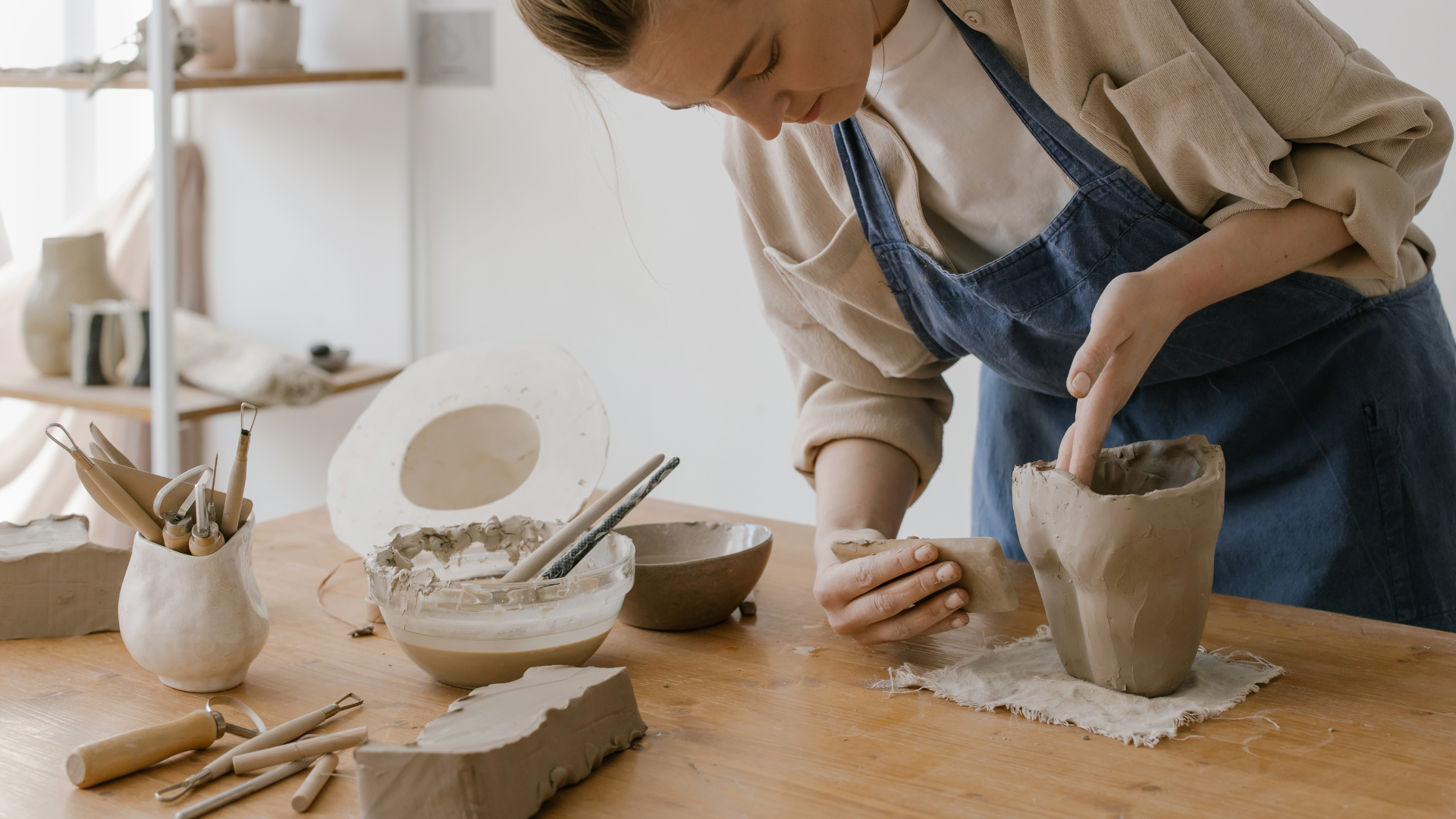
The Mental Health Benefits of Working with Clay: Enhancing Well-Being Through Creative Expression
Working with clay offers various mental health benefits that can enhance overall well-being. Engaging in this tactile art form allows individuals to express creativity, which can serve as a powerful outlet for emotions. The act of shaping clay promotes mindfulness, helping to reduce stress and anxiety levels while fostering a sense of accomplishment.
The process of manipulating clay requires focus and concentration, encouraging a meditative state that many find beneficial for their mental health. As individuals immerse themselves in the tactile experience, they often report feeling more grounded and connected to the present moment. This connection can lead to improved emotional resilience and a greater sense of inner peace.
Furthermore, participating in clay work can create opportunities for social interaction, whether in a class setting or a group environment. Building relationships while engaging in a shared activity offers additional support, contributing positively to mental well-being.
How Working With Clay Supports Mental Health
Engaging with clay provides various mental health benefits, including therapeutic advantages, anxiety management, and enhanced mindfulness. These aspects contribute significantly to emotional well-being and can positively influence daily life.
Therapeutic Benefits and Art Therapy
Working with clay serves as a powerful tool in art therapy. It allows individuals to express emotions that may be difficult to articulate verbally. Clay’s tactile nature fosters creativity, providing a medium for self-expression.
Hand-building techniques or wheel throwing engage motor skills, helping to improve coordination. This physical engagement can lead to a sense of accomplishment, boosting dopamine levels, which contributes to improved mood and emotional regulation. Art therapy with clay can be particularly effective for those dealing with trauma, as it creates a safe space for exploration and healing.
Managing Anxiety and Reducing Depression
Clay work can significantly help in managing anxiety and reducing feelings of depression. The act of molding and shaping clay can distract from negative thoughts, providing a constructive outlet for stress. This creative process can lower cortisol levels, promoting relaxation.
Moreover, engaging with clay encourages a focus on the present moment, making it easier for individuals to shift their attention away from anxious thoughts. For those experiencing depression, working with clay offers a sense of purpose and achievement, counteracting feelings of hopelessness.
Mindfulness and Stress Relief
Mindfulness is another key benefit of working with clay. The repetitive actions of kneading, rolling, and shaping clay can induce a meditative state, promoting relaxation and reducing stress. This practice encourages individuals to engage fully with the material, enhancing focus and awareness of the present moment.
As individuals immerse themselves in the activity, they may find a therapeutic escape from daily pressures. This stress relief can lead to improved overall well-being, making clay work a valuable tool for mental health. Engaging mindfully with clay can enhance emotional regulation, providing individuals with healthier coping mechanisms.
Creative Expression and the Benefits of Art-Making
Art-making serves as a powerful tool for creative expression, contributing significantly to mental health. Engaging in creative activities like working with clay fosters self-esteem and enhances overall well-being through enjoyable and productive outlets.
Boosting Self-Esteem Through Creative Expression
Creative expression offers individuals an avenue to explore their identities. Working with materials such as clay, paint, or other art supplies can lead to personal achievements that boost self-esteem. As individuals create, they can visually manifest their thoughts and emotions. This tangible representation can prove empowering, especially for those who may struggle with external validation.
Even small accomplishments in art-making can reinforce a sense of capability. Building something unique provides a solid foundation for boosted confidence levels and encourages individuals to value their contributions to the artistic world.
The Role of the Creative Process in Mental Well-Being
The creative process is an essential component of art-making. It allows individuals to engage in activities that promote mental well-being through exploration and experimentation. Engaging in visual arts like drawing and painting stimulates the brain’s reward system. This can lead to feelings of satisfaction and pleasure, reducing anxiety and stress.
Regular engagement in creative outlets invites mindful reflection. Artistic activities encourage individuals to focus on the present moment, creating an effective way to process emotions and navigate challenges. Incorporating simple activities such as doodling can provide quick relief from daily stressors. This approach reinforces the significant connections between creativity and mental health.
Sensory and Social Aspects of Clay Work
Engaging with clay offers a rich tapestry of sensory experiences and fosters social connections among participants. The unique properties of clay contribute to emotional well-being while encouraging collaboration in community settings.
Tactile Experience and Emotional Connection
Working with clay provides a direct tactile experience that can profoundly affect emotional health. The act of kneading, molding, and shaping the material engages the senses, offering a soothing rhythm that can be meditative.
The texture of clay varies, allowing individuals to explore different sensations, from smoothness to roughness. This tactile engagement can evoke feelings of nostalgia and comfort, often linking individuals to childhood experiences of play.
Research indicates that such sensory interactions can reduce anxiety and promote mindfulness. The physical act of sculpting can channel emotions, providing an outlet for stress relief and self-expression.
Collaboration and Community Building
Clay work often occurs in group settings, fostering collaboration and community building. Participating in workshops or classes allows individuals to connect over shared experiences, encouraging creative dialogue.
When working together, participants build relationships through teamwork. This interaction can create a sense of belonging, which is particularly beneficial for those facing isolation, such as the elderly or individuals with dementia.
Sharing techniques and ideas enhances social skills and can lead to lasting friendships. Collaborative projects promote inclusivity, creating opportunities for diverse groups to engage in a meaningful and enriching way.