Crafting for Stress Relief and Relaxation: Effective Techniques to Calm the Mind
Crafting offers a practical way to reduce stress and promote relaxation by engaging the mind and hands in focused, creative activities. The repetitive motions and concentration involved in many crafts can lower cortisol levels and help shift attention away from anxiety. This creates a calming effect that helps the brain unwind.
Additionally, crafting provides a sense of accomplishment and control, which can improve mood and reduce feelings of overwhelm. Engaging in simple projects like knitting, painting, or paper folding encourages mindfulness and breaks the cycle of stressful thoughts.
By incorporating crafting into daily routines, individuals can build a healthy habit that supports mental well-being. Exploring different crafts also allows for personal expression, which contributes to emotional balance and overall relaxation.
The Science Behind Crafting for Stress Relief
Crafting engages multiple brain regions, combining physical movement with creative problem-solving. This activity triggers biochemical changes that help modulate stress and support emotional balance.
Understanding the Mind-Body Connection
Crafting stimulates the nervous system by activating the parasympathetic branch, responsible for relaxation. This lowers heart rate and reduces cortisol, the hormone linked to stress.
The repetitive motions common in crafts, such as knitting or coloring, induce a meditative state. This lowers brain activity in the amygdala, which processes fear and anxiety.
Physical engagement with materials also encourages mindfulness, focusing attention on the present moment rather than distressing thoughts.
How Crafting Reduces Anxiety and Stress
Crafting offers a distraction from negative thoughts, which interrupts stress cycles. It creates a sense of accomplishment that can enhance self-esteem.
Studies show that tactile stimulation through crafting supports the release of dopamine, a neurotransmitter involved in pleasure and motivation. This biochemical effect helps reduce anxiety symptoms.
Additionally, crafting helps regulate breathing and muscle tension, a natural way to calm the body’s stress response.
Mental Health Benefits of Hands-On Activities
Hands-on crafting activities improve focus and cognitive function by requiring planning and fine motor skills. This can alleviate symptoms of depression by providing structure and routine.
Social crafting groups increase feelings of belonging and support, which buffer against loneliness and stress. Collaborative projects enhance communication skills and emotional resilience.
Both solo and group crafting promote neuroplasticity by continuously challenging the brain, aiding long-term mental well-being.
Popular Crafting Activities for Relaxation
Engaging in hands-on activities can significantly lower stress levels and promote a sense of calm. These crafts use repetitive motions, focus, and creativity to gently occupy the mind.
Knitting and Crocheting Techniques
Knitting and crocheting involve creating fabric from yarn through rhythmic stitching. The repetitive hand movements contribute to relaxation by providing a predictable pattern that soothes the nervous system.
Beginners often start with simple stitches like the knit and purl for knitting or the chain and single crochet for crocheting. Both crafts allow customization in colors and patterns, which helps maintain interest and provides a sense of accomplishment.
Materials are inexpensive and portable, making these crafts accessible anywhere. The tactile sensation of yarn can also enhance sensory relaxation. Many find that completing small projects, like scarves or hats, offers measurable progress that boosts mood.
Adult Coloring and Drawing
Adult coloring uses detailed patterns to engage attention through structured creativity. It reduces anxiety by focusing the mind on color choices and the act of filling spaces, diverting thoughts from stressors.
Drawing, especially freehand or guided exercises, encourages expression without pressure. Simple tools like colored pencils, markers, or pastels allow for varied textures and color blending.
Many adult coloring books feature mandalas or nature themes, which are designed to help concentrate and calm the mind. Drawing prompts can guide users in mindfulness by observing details or recreating calming imagery.
Coloring and drawing require minimal setup and can be paused or resumed easily, fitting into busy schedules.
Paper Crafts and Origami
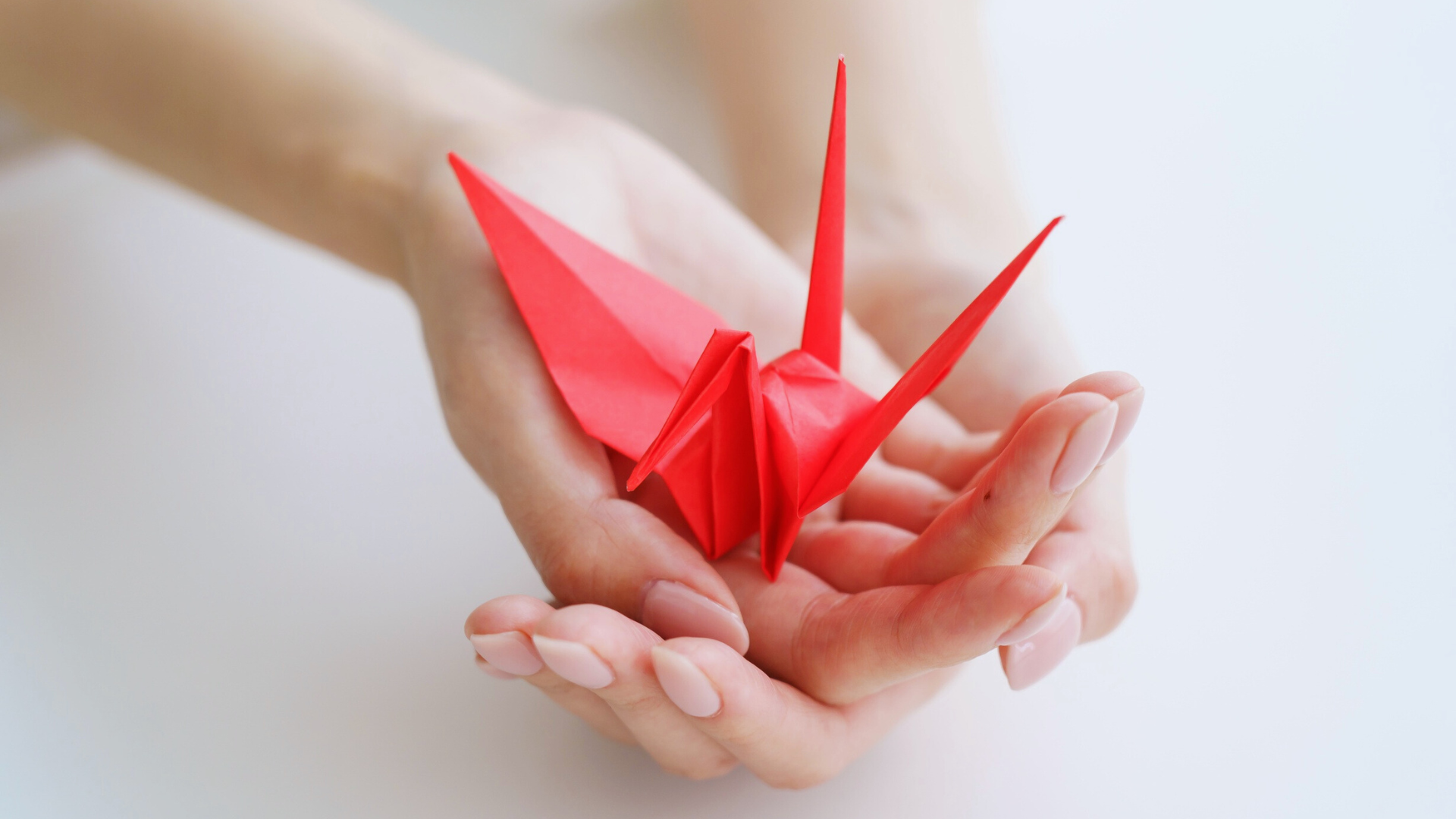
Paper crafts involve cutting, folding, and assembling paper into decorative or functional objects. Origami focuses exclusively on folding techniques to transform a flat sheet into complex forms.
The precision and focus required in these crafts help quiet mental chatter. The step-by-step process provides structure, which is beneficial for reducing overwhelming thoughts.
Materials are inexpensive, and finished projects can serve as personal decorations or gifts. Popular origami figures like cranes or flowers promote a meditative state through careful repetition.
Paper crafting encourages dexterity and patience, with the immediate visual result reinforcing progress and satisfaction.
Journaling and Scrapbooking
Journaling allows for emotional release and organization of thoughts, reducing mental clutter. Writing about daily experiences or gratitude helps identify stress triggers and shifts focus toward positive elements.
Scrapbooking combines journaling with photos, tickets, and memorabilia. This craft brings creativity and nostalgia together, offering a multi-sensory way to process memories.
Both activities serve as personal outlets that encourage mindfulness. Users can select templates, stickers, and other embellishments to personalize entries, making the process enjoyable.
Journaling and scrapbooking require little skill to start and can be adapted quickly to fit personal schedules and preferences.
Setting Up a Calming Craft Space
Creating a calming craft space requires attention to the environment, tools, and sensory elements. Simple adjustments can reduce distractions and promote relaxation. Comfort and accessibility play vital roles in maintaining a stress-free crafting routine.
Choosing the Right Environment
Select a quiet area with minimal foot traffic and distractions. Natural lighting is ideal, but soft, warm artificial light works well too. Avoid spaces cluttered with unrelated items, as clutter can increase stress rather than reduce it.
Ensure comfortable seating that supports good posture. A desk or table with enough surface area for materials is important. Temperature should be moderate; avoid overly hot or cold spots to maintain focus and comfort.
Essential Materials for Stress-Free Crafting
Keep your craft supplies organized in containers or drawers labeled by type. Common materials might include colored paper, knitting needles, paintbrushes, or beads—choose what suits your preferred activity. Avoid overcrowding your space to maintain calmness.
Invest in quality tools that are easy to use and maintain. For example, smooth scissors or ergonomic crochet hooks reduce physical strain. Replace worn materials to prevent frustration and interruptions during crafting sessions.
Incorporating Music and Aromatherapy
Choose background music that is soft and steady, like instrumental or nature sounds, which can aid concentration without distraction. Use wireless speakers to avoid tangled cords that clutter your space.
Aromatherapy enhances relaxation; essential oils like lavender, eucalyptus, or chamomile work well. Use a diffuser or lightly scented candles, but avoid overpowering fragrances. Adjust scents to personal preference to create a soothing atmosphere.
Mindfulness Practices in Crafting
Engaging in crafting with mindful awareness can transform the activity into a calming, immersive experience. This involves focusing attention, controlling breath, and using repetitive actions to anchor the mind.
Focusing on the Process Over Perfection
Mindfulness in crafting starts with shifting focus from the final product to the act of creation itself. Instead of aiming for flawlessness, attention is placed on each step — selecting materials, feeling textures, and observing color combinations.
This approach reduces anxiety about outcomes. It encourages acceptance of imperfections as part of the process. Practicing nonjudgmental awareness helps keep the mind present and prevents distractions or self-criticism.
Writing notes, sketching ideas, or simply observing progress can deepen engagement. The act of doing becomes the primary goal, promoting a flow state that supports mental relaxation.
Breathing Techniques While Crafting
Integrating deliberate breathing strengthens mindfulness during crafting sessions. Simple patterns like slow, deep inhales through the nose followed by smooth exhales through the mouth help regulate the nervous system.
Coordinating breaths with movements — such as inhaling while raising a brush and exhaling while applying a stroke — brings rhythm and calm to the practice. This steady breathing lowers heart rate and minimizes stress-related tension.
Breath awareness also serves as a mental anchor when focus drifts. Returning attention to the breath can quickly restore calm and clarity, maintaining a soothing environment for creative expression.
Cultivating Presence Through Repetitive Motion
Repetitive motions in crafting invoke a meditative state by engaging the brain’s rhythm centers. Actions like knitting rows, weaving strands, or stitching patterns provide steady sensory input that anchors attention.
These motions allow the mind to settle, reducing a racing or scattered thought pattern. The tactile feedback and consistent pace encourage sustained presence without effortful concentration.
Repetition also fosters patience and a sense of progress. Focusing on movement sensations rather than results nurtures relaxation and limits overthinking, helping craft time serve as a meaningful pause in daily stress.
Integrating Crafting Into Daily Routines
Incorporating crafting into everyday life can improve mental well-being by creating structured, mindful moments. Effective integration requires consistent practice and thoughtful scheduling to avoid conflicts with other responsibilities.
Crafting as a Daily Ritual
Establish a specific time each day for crafting to build a calming habit. Even 15-30 minutes daily can provide a significant mental break. Choose a consistent spot, like a desk or a corner of a room, dedicated to your crafting supplies.
Start small by integrating simple activities such as knitting, coloring, or journaling. This reduces resistance and encourages continuity. Over time, crafting sessions can expand and evolve based on mood and interest.
Tracking your progress, like marking days on a calendar, helps maintain motivation. The ritual aspect turns crafting into a predictable retreat, easing stress through routine.
Balancing Craft Time with Other Activities
Scheduling is key when adding crafting to a busy life. Identify less demanding periods during the day, such as after work or before bed, to fit crafting without causing stress.
Use a planner or digital calendar to reserve crafting time. Setting reminders can help make these sessions a priority. Balance crafting with physical activity and social interaction to maintain overall well-being.
Recognize when crafting becomes avoidance or adds pressure. Adjust duration or frequency accordingly. Prioritize quality of engagement over quantity for the best relaxation benefits.
Social and Community Crafting Benefits
Crafting in a social setting encourages relaxation through shared focus and mutual support. Engaging with others during creative activities can deepen connections and enhance emotional well-being.
Group Craft Sessions for Relaxation
Group craft sessions provide structured time to unwind while working on tangible projects. Participants often experience reduced stress levels as the repetitive motions of crafting promote calmness and mindfulness.
These sessions offer a distraction from daily pressures by shifting focus to the creative process. The presence of others contributes to a supportive environment where individuals can share techniques and encourage progress.
In many cases, group crafting builds routine, which helps maintain consistent relaxation habits. Whether in-person or virtual, these gatherings foster accountability and sustained engagement in stress-relief activities.
Sharing and Connecting Through Handmade Creations
Exchanging handmade items creates opportunities for meaningful interaction and emotional expression. Gifts crafted by hand carry personal significance, enhancing feelings of connection between giver and receiver.
Sharing work within a community can validate efforts and boost self-esteem. Feedback encourages improvement, while storytelling about the creation process builds empathy and understanding.
Community platforms, like craft fairs or online groups, expand social networks and expose participants to diverse cultural crafts. This exposure enriches social bonds and broadens creative perspectives.
Exploring New Crafts for Ongoing Stress Relief
Engaging with new crafts keeps the mind active and prevents boredom, which can reduce stress more effectively. Tailoring projects to personal preferences also deepens the calming experience by adding meaning and creativity.
Trying New Craft Forms for Fresh Inspiration
Exploring different craft forms such as pottery, embroidery, or woodworking introduces fresh challenges and sensory experiences. These new activities stimulate different parts of the brain, encouraging mindfulness and focus away from stressors.
Learning the basics of a new craft provides small, achievable goals. This boosts confidence and satisfaction, which helps lower anxiety levels. Using various tools or materials, like clay or fabric, engages hands and mind differently compared to familiar crafts.
Trying something unfamiliar breaks routine and offers a mental reset. It also expands creative skills, providing more options to turn to when stress arises. Consistency, even with short sessions, enhances long-term relaxation benefits.
Personalizing Projects to Enhance Relaxation
Customizing craft projects aligns the activity with personal interests, increasing engagement and enjoyment. For example, selecting colors or themes that evoke calm can deepen relaxation.
Adding personal touches—like including meaningful symbols in knitting patterns or painting scenes from favorite places—makes the craft more therapeutic. This focus can quiet negative thoughts by centering attention on positive emotions.
Tracking progress visually, such as with a craft journal or photo log, reinforces a sense of accomplishment. Personalized crafts invite reflection and give a creative outlet tailored to reduce individual stress triggers.
Tracking Progress and Well-being Through Crafting
Monitoring progress in crafting can enhance both motivation and stress relief. Keeping a simple journal or log helps record projects completed, time spent, and emotional states before and after crafting sessions.
Use a checklist or planner to track materials used and skills learned. This visual representation of progress can encourage continued engagement and highlight personal growth.
Pay attention to changes in mood and stress levels. Note any shifts in feelings of calmness, focus, or satisfaction. These observations provide insight into crafting’s impact on overall well-being.
Example Tracking Table:
| Date | Craft Project | Duration | Mood Before | Mood After | Skills Practiced |
| 02/01/2026 | Knitting scarf | 45 min | Anxious | Relaxed | Knitting stitches |
| 02/02/2026 | Paper collage | 30 min | Stressed | Calm | Composition layout |
Regular reflection on these notes helps identify patterns. It may reveal which crafts work best for stress relief and which times of day are ideal for crafting.
Tracking progress creates a feedback loop. This continual assessment makes crafting a more intentional and beneficial activity for relaxation.