Benefits of Using Financial Apps: Enhancing Personal Finance Management
Financial apps have transformed how individuals manage their money, making it easier to track spending, save for goals, and invest wisely. They provide users with the tools necessary to enhance their financial literacy, helping them understand budgeting, credit scores, and savings strategies. By utilizing these digital resources, users can make informed decisions that align with their financial aspirations.
With features tailored for budgeting, investment tracking, and financial education, these apps offer a comprehensive approach to personal finance management. They empower users to set and monitor savings goals effectively while also providing insights into improving credit scores.
As digital financial tools continue to evolve, they are increasingly accessible and user-friendly, breaking down complexity in personal finance. This accessibility allows users to gain confidence in their financial decisions, paving the way for a more secure financial future.
Improving Financial Management
Effective financial management involves the ability to budget, track expenses, and handle bill payments efficiently. Financial apps provide tools that streamline these processes, making it easier for users to maintain control over their finances.
Simplified Budgeting and Saving
Finance apps offer budgeting tools that allow individuals to create and manage budgets easily. Platforms like YNAB (You Need A Budget) and PocketGuard help users allocate their income to different budget categories. This promotes a structured approach to saving and spending.
Features such as zero-based budgeting ensure every dollar is assigned a purpose, eliminating wasteful expenditures. Users can track their progress against goals, making adjustments in real time.
Many apps also incorporate savings features that automate transfers to savings accounts, simplifying the building of an emergency fund. This combination of budgeting and saving tools maximizes the effectiveness of personal finance management.
Streamlining Expenses Tracking
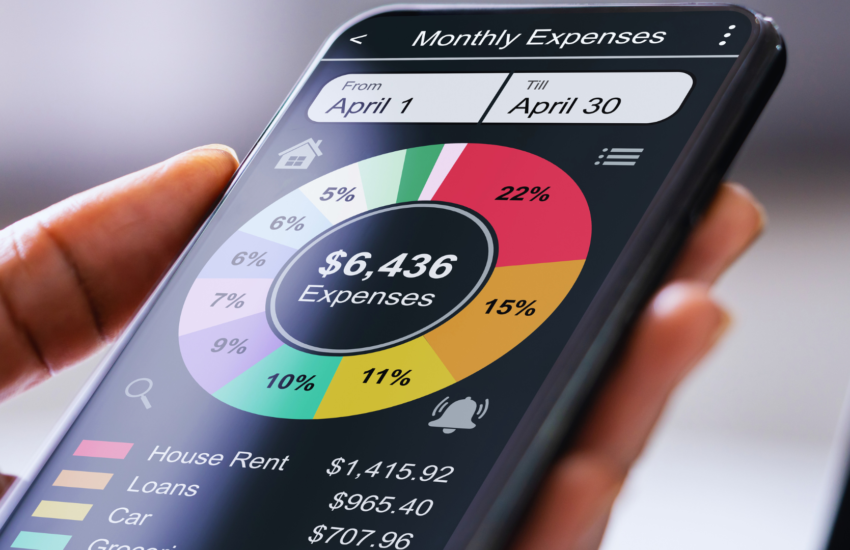
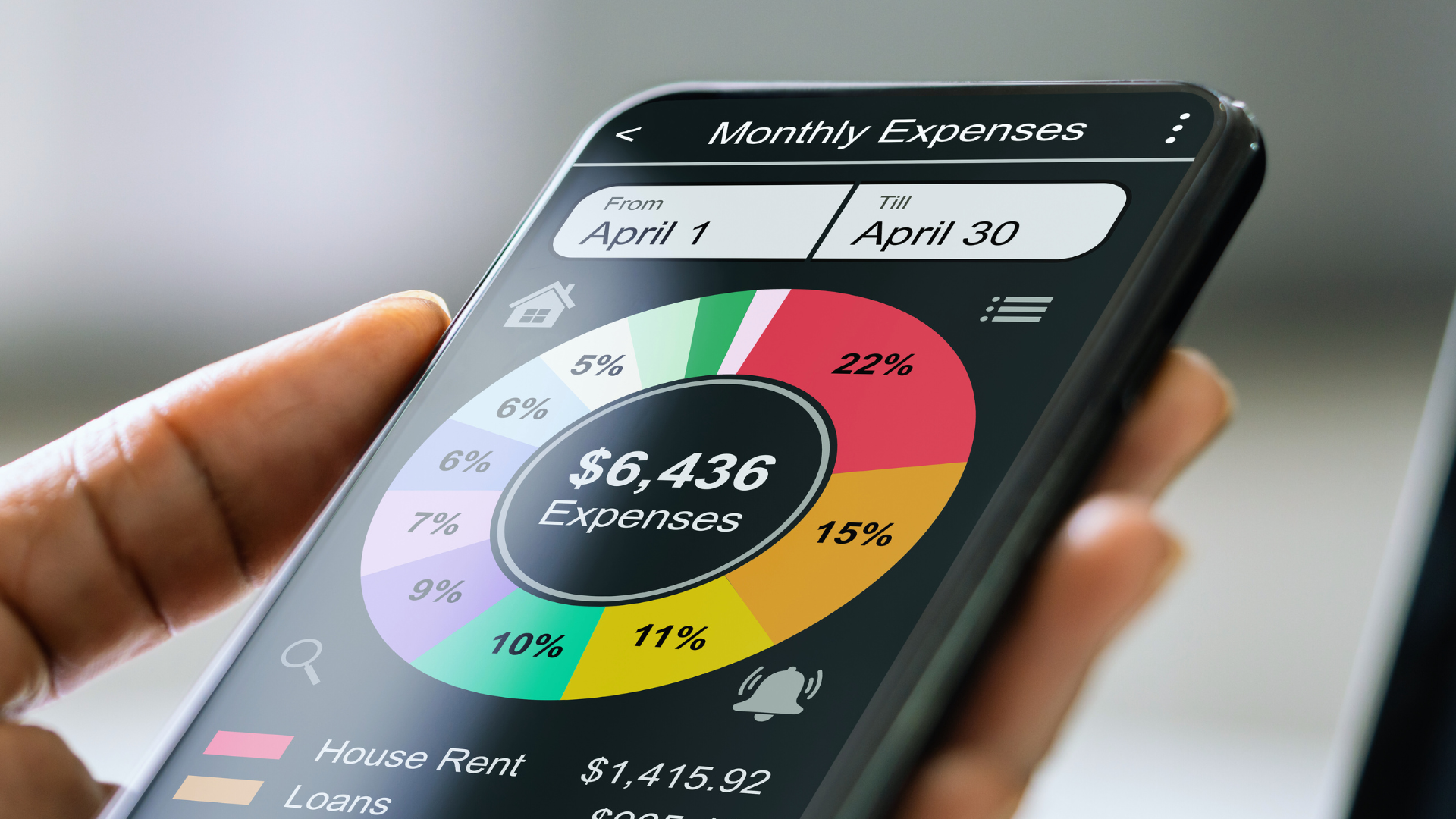
Expense tracking is a crucial component of financial management, and apps like Mint and Rocket Money excel in this area. These applications link directly to bank accounts, giving users a comprehensive view of their expenses.
They categorize transactions automatically, allowing for a clear understanding of spending habits. This helps individuals identify areas where they might overspend and where they can cut back.
Additionally, platforms like Simplifi offer budgeting insights, allowing users to see how their spending aligns with their budget. This level of visibility can significantly enhance a person’s ability to control their finances.
Optimizing Bill Payments
Managing bills can often be overwhelming. Financial apps simplify this process by keeping track of bill due dates and sending reminders. Tools like Empower and GoodBudget allow users to manage their bills in an organized manner.
Users can set up automated payments, which reduces the risk of late fees and helps maintain a positive credit score. The ability to track upcoming bills alongside the budget provides a holistic view of financial obligations.
This comprehensive management includes options for viewing or paying all bills online, making the process convenient and efficient. The integration of these functionalities allows users to focus more on their financial health without the stress of missed payments.
Enhancing Financial Insight and Growth
Financial apps significantly contribute to a user’s understanding of their financial landscape. By providing real-time data and analysis, these tools empower users to make informed decisions that can lead to enhanced financial health and growth.
Real-Time Net Worth Valuation
Financial apps allow users to track their net worth instantaneously. Users can link various accounts, including bank accounts, investments, and debts. This provides a comprehensive view of their financial life.
Key Benefits:
- Accurate Assessments: Users receive automatic updates on account balances, stock values, and bond performance.
- Goal Alignment: It aids in aligning current assets with long-term financial goals, such as retirement savings or buying a home.
Apps like Mint and Personal Capital enhance users’ abilities to track their financial progress, making adjustments as necessary. This immediate visibility encourages users to take an active role in managing their finances.
Strategic Investment Planning
Investment tracking is crucial for maintaining and growing a portfolio. Financial apps simplify the process of monitoring investments in stocks, bonds, and ETFs.
Advantages:
- Diverse Portfolio Management: Users can view and adjust their investments, ensuring diversification aligns with their risk tolerance and goals.
- Informed Decisions: Accessing analytics and market insights helps users make timely decisions regarding their investments.
With tools available on platforms like Robinhood, users can easily track performance and receive alerts on significant market changes. This technology supports informed investing and helps users stay committed to their long-term financial planning.
Security and Privacy in Digital Finance
Security and privacy are critical when using financial apps. They protect sensitive information and ensure that users can manage their finances without excessive risk.
Advanced Security Measures
Many financial apps incorporate advanced security measures to safeguard user data. Encryption is a primary method, of converting sensitive information into a coded format that is unreadable to unauthorized users. This protects data during transmission over networks, ensuring that intercepted information remains secure.
Multi-factor authentication (MFA) enhances security by requiring users to verify their identity through multiple steps. For instance, a banking app may require a password and a temporary code sent to a smartphone. This layered approach significantly reduces the risk of unauthorized access.
Regular security updates are also crucial. Financial apps that are frequently updated can patch vulnerabilities and improve defenses against potential threats. Users should always install updates promptly to maintain robust security measures.
Ensuring Personal Data Protection
Protecting personal data is essential in digital finance. Financial apps must comply with regulations that mandate strict data protection measures. They often anonymize data to ensure that individual identities remain confidential when information is processed or shared.
User control over data is another critical aspect. Many apps allow users to set privacy preferences, determining how much information is shared and with whom. This empowers users to maintain control over their financial information, making decisions that enhance their privacy.
Additionally, choosing apps from FDIC-insured banks further enhances safety. These institutions provide a level of trust, knowing that funds deposited in accounts are federally insured. Users should verify app credentials and choose those that prioritize security and privacy to ensure a safer financial experience.