
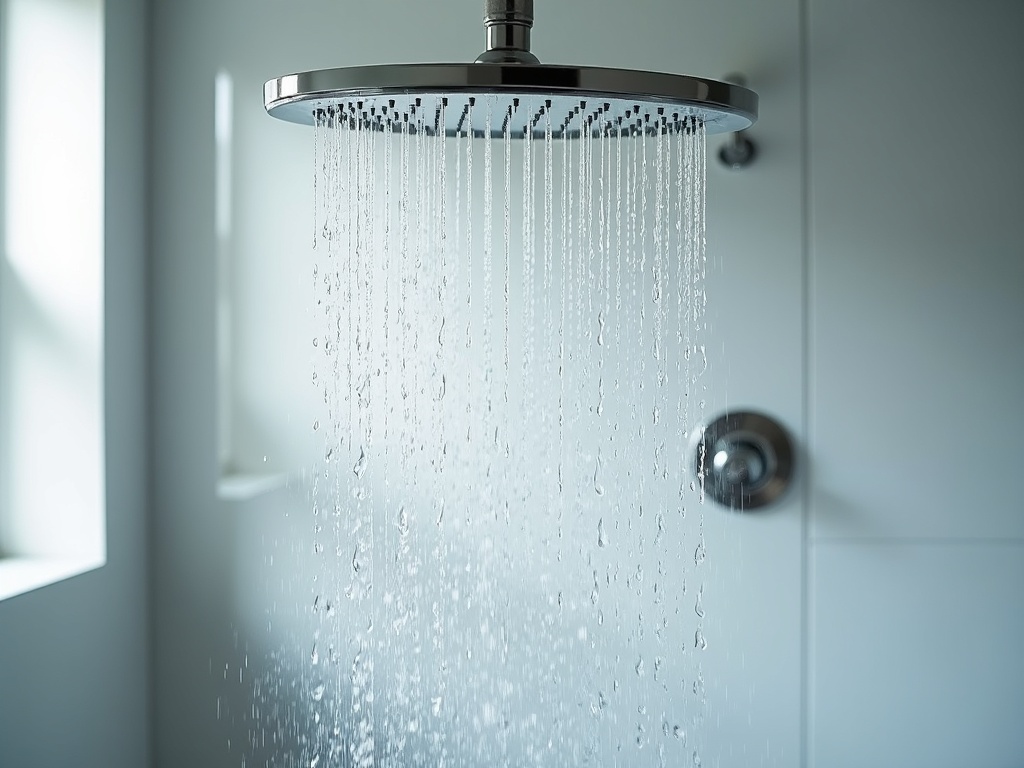
Why Your Shower Goes Weak and How to Bring Back the Pressure
Water pressure matters more than most people think. A strong, steady shower feels clean and relaxing. A weak drizzle makes washing slow and annoying. The good news is that most low-pressure problems have clear causes. Many fixes are simple and safe to try at home. When a job needs special tools or training, a professional can sort it fast.
First, figure out what “weak” really means
Start by testing more than the shower. Turn on the bathroom sink. Try the kitchen tap. Flush the toilet. If every tap is weak, the whole house may have a supply or valve issue. If only the shower is weak, the problem sits closer to that spot.
Next, compare hot and cold. Run only the cold side in the shower. Then only the hot. If cold is strong but hot is weak, focus on the water heater, the mixer, or a hot-side valve. If both are weak, the issue could be a clogged showerhead, a partly closed main valve, or a shared supply under stress.
Time of day can matter as well. In a busy building, mornings and early evenings can strain the supply. If pressure is fine at noon but drops at 7 a.m., demand is likely the cause. That still can be fixed, but not by cleaning a showerhead alone.
Start with simple checks anyone can do
Look at the main shut-off valve where water enters the home. It should be fully open. A valve that sits halfway open will starve the whole system. Quarter-turn handles should line up with the pipe. Wheel handles should be turned until they stop, then eased back a tiny bit so they do not seize.
Now check any small isolation valves near the shower or the water heater. These tiny valves control flow into parts of the system. They can be bumped during work or cleaning and sit half closed without anyone noticing.
Showerheads often clog with mineral build-up. This is very common in areas with hard water. Unscrew the head. If there is a mesh screen, rinse it. Soak the head in warm white vinegar for an hour to dissolve the scale. Rinse and screw it back on. If you use a hand shower, make sure the hose is not kinked or crushed behind the holder.
Modern showerheads include a flow limiter to save water. That part can trap grit. Remove the head and tap it gently over a sink to clear loose bits. Refit the head and test again. If the spray shape looks odd—jets going sideways or dead zones—cleaning or a new head may be the best fix.
If these checks do not help and the home is in Tāmaki Makaurau, a local Plumber in Auckland can test the pressure with a gauge, inspect regulators, and clear hidden blockages. That kind of visit finds the root cause fast and avoids guesswork.
When only the hot side is weak
A weak hot side points to the heater or a valve on that line. Tank-style heaters collect sediment over time. Sediment takes up space and slows flow. If the heater has not been flushed in years, that could explain the drop. Many tanks have a drain valve for yearly flushing. If you are new to this, book a service. Gas work and hot water safety are not DIY jobs.
Some homes have a tempering valve that blends hot and cold for safe tap water. A faulty or clogged tempering valve can choke the hot side. If the shower turns cold when another tap runs, the mixing parts may stick or fail. A new cartridge in the shower mixer can also solve a drop that shows up only there.
When every tap is weak
If the whole home has low pressure, think supply and control parts. A pressure-reducing valve (often called a PRV) on the main line keeps pressure steady. PRVs wear out and can stick. If you hear whistling at a main valve or feel heavy vibration in the incoming pipe, the regulator could be failing.
Leaks also steal pressure. Walk the home and check for damp spots, stained ceilings, or soft patches in walls. Watch the water meter. If the meter moves when no water is running, there may be an unseen leak. A running toilet can waste a huge amount of water and drop pressure during a shower. Listen for a hiss in the cistern or watch for small ripples in the bowl.
Apartment and shared systems
In shared buildings, peak-time demand can be the main reason for weak showers. If pressure drops at the same time each day, that pattern matters. Ask the building manager if a booster pump or storage tank serves the block. A failing pump, a worn check valve, or a clogged filter on a shared line can cut flow to many units at once. When neighbors report the same issue, building maintenance is the next call.
Safe fixes that make a clear difference
Cleaning or replacing the showerhead is the fastest win. Newer heads with simple internal parts resist scale and keep spray even. If the mixer is old and hard to turn, a fresh cartridge can bring back both control and pressure. Swapping a kinked hose on a hand shower also helps a lot for little cost.
For homes with hard water, a small sediment filter on the main line or before the water heater can protect valves and fixtures. Keeping grit out makes every device last longer and helps pressure stay stable. Filters need cleaning or a quick cartridge swap on a schedule, which is simple once set up.
If the PRV is failing, a licensed plumber can set a new unit to a safe, steady number. That cures swings where the shower blasts one minute and fades the next. Only adjust a PRV with the right tools and a gauge. Guessing by feel is not safe.
What not to do
Do not drill out a flow limiter or remove safety parts. That can waste water and may break rules in many areas. Do not open a gas water heater or try to relight a pilot without training. Do not crank a stuck valve with heavy force—pipes can crack, which turns a small issue into a flood.
Keep good pressure over time
A few habits help the system stay healthy. Clean the showerhead every few months if the water is hard. Check that main and isolation valves stay fully open after any repair work in the home. Look and listen for early leak signs—small drips, a steady hiss in a toilet, or damp marks that change shape.
If the home has a tank water heater, schedule a flush once a year. That reduces sediment and supports steady hot flow. Ask for a pressure check during normal service. If the building uses a booster pump, make sure the manager has a maintenance plan so peak times do not cause daily pressure drops.
Simple tests that give clear answers
A cheap water-pressure gauge can give a real number in seconds. Screw it onto an outdoor tap or a laundry tap. Healthy home pressure often sits around the mid-range recommended in the area. Numbers that are very low confirm the feeling in the shower and point to a supply or PRV problem. Numbers that bounce up and down suggest a regulator or pump issue. A stable number with a weak shower means the restriction is closer to the shower itself.
You can also do a quick isolation test. Turn off all taps and appliances. Run only the shower. If pressure is fine, open one more tap and watch. If pressure drops a lot when only two fixtures run, flow may be restricted or the system may be undersized. A pro can measure flow rate and suggest upgrades suited to the home.
When to bring in a professional
Call for help when valves are stuck, when the PRV hums or rattles, when hot water drops off fast, or when leaks are likely. Hidden issues can waste money and cause damage. A trained eye can solve in one visit what might take many tries at home. That saves time and keeps the bathroom in good shape.
Key points to remember
A weak shower often comes from a few common things: a clogged head, a half-closed valve, sediment in the hot lines, a tired PRV, or high demand in a shared system. Start with checks that are safe and simple. Clean the head. Make sure valves are open. Watch for leaks. If the hot side alone is weak, look to the heater, mixer, or tempering valve. Use a pressure gauge to turn a guess into a clear number. When the job calls for tools or training, get a qualified expert to finish it right.
Feel free to share the result after trying these steps. Questions about a specific setup are welcome, and details such as the type of shower mixer or heater will help find the fastest path back to a strong, steady shower.